

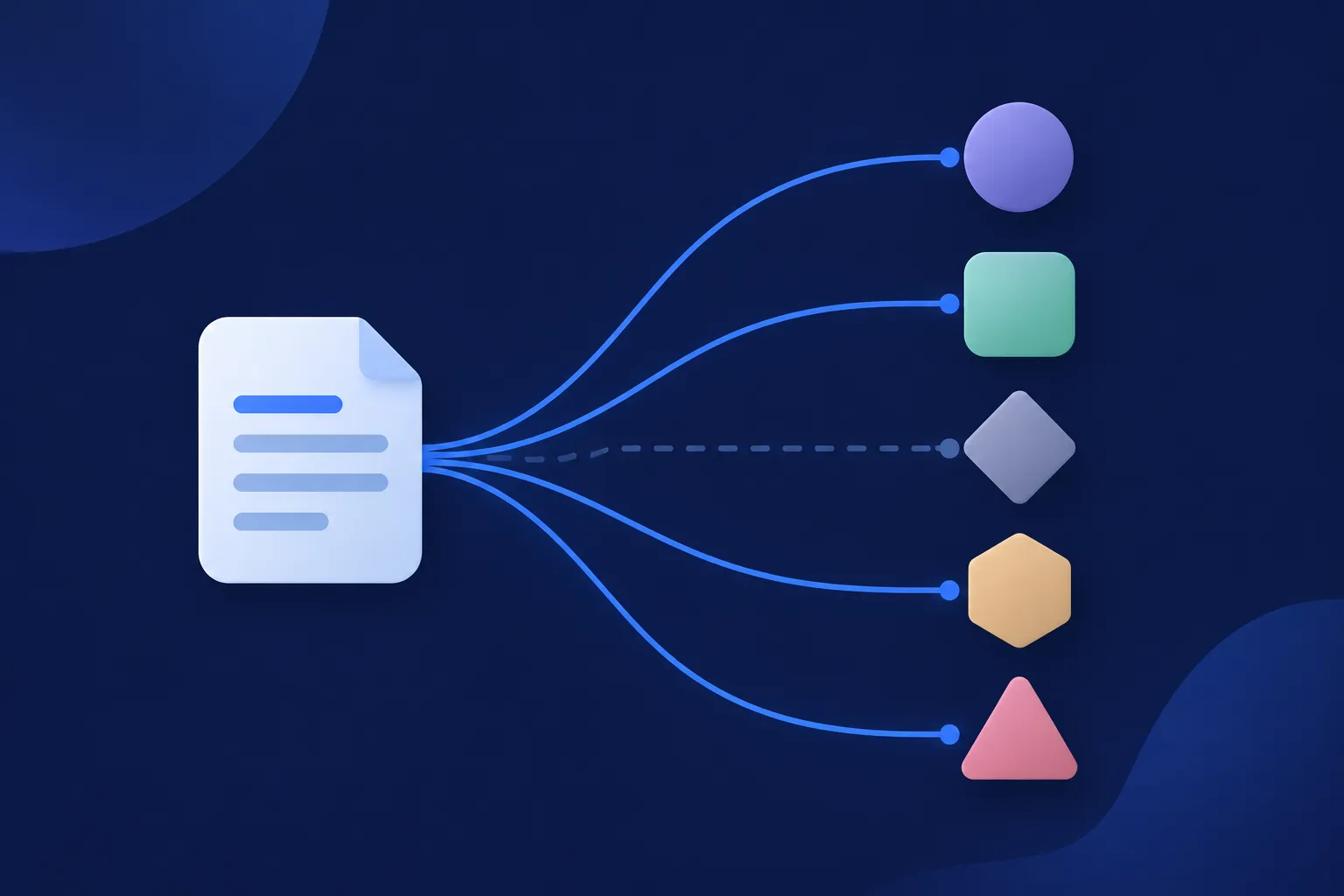
On June 15, 2026, Google Search Central added a note to its AI optimization guidance saying that llms.txt files are not needed for Google Search, including its generative AI features. Google says Search ignores the file, so keeping it will neither help nor hurt visibility or rankings there.
This matters if you already publish an llms.txt file or are thinking about adding one. The statement is about Google Search only. It does not describe what the Gemini apps, Bing, ChatGPT Search, Perplexity, Applebot or Yandex do with the file.
So, the first step is to decide by who actually reads the file, not by Google alone. Keep it where it is accurate, cheap to maintain and used by a system that documents using it. Simplify or remove it where it is out of date or costly to keep current.
What Google said on June 15, 2026
Google's documentation updates page lists the change as a clarification to its AI optimization guide. The Google Search Central documentation updates entry for June 15 says the file is not needed for Google Search, will not affect visibility or ranking in either direction, and is fine to keep for other services or systems that use it.
Search Engine Land reported the English wording the same day. In it, Google says, "You don't need to create new machine readable files, AI text files, markup, or Markdown to appear in Google Search (including its generative AI capabilities), as Google Search itself doesn't use them."
Google adds that it may crawl and index many kinds of files besides HTML, and that this does not mean a file is treated in a special way. It also says, "It's completely fine if you decide to create and maintain LLMS.txt files (or other similar files) for other services or systems that use these files," and that doing so "won't harm nor help your visibility or rankings in Google Search, as Google Search ignores them."
Read the scope closely. The statement covers Google Search and the generative AI capabilities inside it. It says nothing about Gemini apps, Google Cloud agents or other Google products. Treat it as a dated statement from one provider about one product, and judge the other systems by their own documentation.
Keep, simplify or remove your file
Start with the question "who reads this file, and what does it cost me to keep it right?" A file with a documented reader and an automatic way to stay current is worth keeping. A file nobody documents using, which you update by hand every few months, is a different case.
Keep the file when three things are true. It is accurate today. It is inexpensive to maintain, for example because a documentation platform or plugin generates it. And a documented consumer, such as a documentation platform or a coding-agent workflow, uses it.
Simplify or remove it when it lists pages that no longer exist, when updating it is a chore nobody owns, or when it points to material that should not be public. A file that exposes draft or private URLs is a liability regardless of what any search engine does with it.
Do not create or maintain the file only to improve Google Search rankings, AI Overviews or AI Mode, since Google says Search ignores it. And do not delete a working file only because of this note. Google itself says it is fine to keep it for other services.
What llms.txt is, and what it is not
The llms.txt proposal was written by Jeremy Howard and published on September 3, 2024. It describes a Markdown file named llms.txt, placed at a site root or in a subdirectory, that gives AI agents a short summary of the site and links to the pages that matter. The proposal is aimed in particular at software documentation and coding agents, and mentions optional llms-full.txt or Markdown versions of pages.
It is a community proposal. It is not a W3C standard, not a search-engine directive and not a replacement for robots.txt. The proposal's page lists generators and integrations from documentation platforms and SEO plugins, which shows implementation interest. It does not show that every provider reads the file.
Here is the kind of file the proposal describes, for a fictional documentation site. Replace the name, summary and links with your own pages, and only list pages that are public.
# Example Site

A fictional documentation site for Example Tools.

## Important pages

- [Getting started](https://example.com/docs/getting-started.md): Installation and first steps
robots.txt does a different job. It tells crawlers which paths they may request, while llms.txt is a proposed guide that an agent may read. Neither one replaces the other.
Control which systems fetch your pages
Access is controlled in robots.txt and page metadata, not in llms.txt. Microsoft's webmaster guidelines list Bing controls such as NOARCHIVE, NOCACHE, NOINDEX and data-nosnippet, and Bing's September 22, 2023 announcement explains how NOCACHE and NOARCHIVE affect use of your content in Bing Chat.
To let ChatGPT search and Perplexity reach the page, allow OAI-SearchBot in robots.txt (OpenAI's crawler documentation, which also covers GPTBot and ChatGPT-User) and PerplexityBot (Perplexity's announcement). Apple's web content guide and Yandex's site-indexing guide cover their crawlers. If a provider documents llms.txt support, read that page before deciding for that system. For the full comparison, see whether AI systems use schema markup.
What a request for llms.txt in your logs shows
A solo developer who wants to know whether anyone reads the file can look at the server access logs. Filter requests for /llms.txt, /llms-full.txt and any Markdown URLs the file links to. Note the user agent, timestamp, status code, response size and referrer, and whether the client then follows the linked pages.
Where a provider publishes the IP ranges for its crawler, match the requests against them, since a user agent string alone is easy to copy. Repeated requests with a verified crawler identity tell you more than a single hit.

Be careful with the conclusion. A request proves that a client fetched the URL. It does not prove the client used the file for a ranking, a citation, training or an answer. Treat logs as evidence of retrieval and nothing more, and keep the file only if its cost is small enough to justify that uncertainty.
llms.txt and schema markup do different jobs
Schema.org defines a shared vocabulary of types and properties. JSON-LD, described in the W3C JSON-LD 1.1 specification, is one format for writing that vocabulary down. Schema markup describes the entities on a visible page, such as an article, its author and its dates. llms.txt is a proposed Markdown file with links for AI agents. One does not replace the other.
Google's Article structured data documentation lists no required properties for Article markup and recommends adding the properties that apply to the page. Google's general guidelines also say structured data does not guarantee that a Search feature will appear, and the markup must match what visitors can see on the page.
The example below shows valid JSON-LD for a fictional news article about this change. Replace the example.com URLs, the names, the dates and the image paths with your own, and place it only on the page it describes.
{
  "@context": "https://schema.org",
  "@type": "NewsArticle",
  "@id": "https://example.com/news/google-llms-txt#article",
  "url": "https://example.com/news/google-llms-txt",
  "headline": "Google Says llms.txt Is Not Needed for Google Search",
  "description": "A fictional news article explaining what Google's June 15, 2026 clarification means for website owners.",
  "image": [
    "https://example.com/images/llms-txt-news-1x1.jpg",
    "https://example.com/images/llms-txt-news-4x3.jpg",
    "https://example.com/images/llms-txt-news-16x9.jpg"
  ],
  "datePublished": "2026-06-15T09:00:00-05:00",
  "dateModified": "2026-06-15T09:00:00-05:00",
  "author": {
    "@type": "Organization",
    "name": "Example Editorial",
    "url": "https://example.com/about"
  },
  "publisher": {
    "@type": "Organization",
    "name": "Example Editorial",
    "url": "https://example.com",
    "logo": {
      "@type": "ImageObject",
      "url": "https://example.com/images/logo.png"
    }
  },
  "mainEntityOfPage": {
    "@type": "WebPage",
    "@id": "https://example.com/news/google-llms-txt"
  },
  "articleSection": "Search News",
  "inLanguage": "en-US"
}
You can choose Article, NewsArticle or BlogPosting for the @type. Set dateModified only when the page really changes.
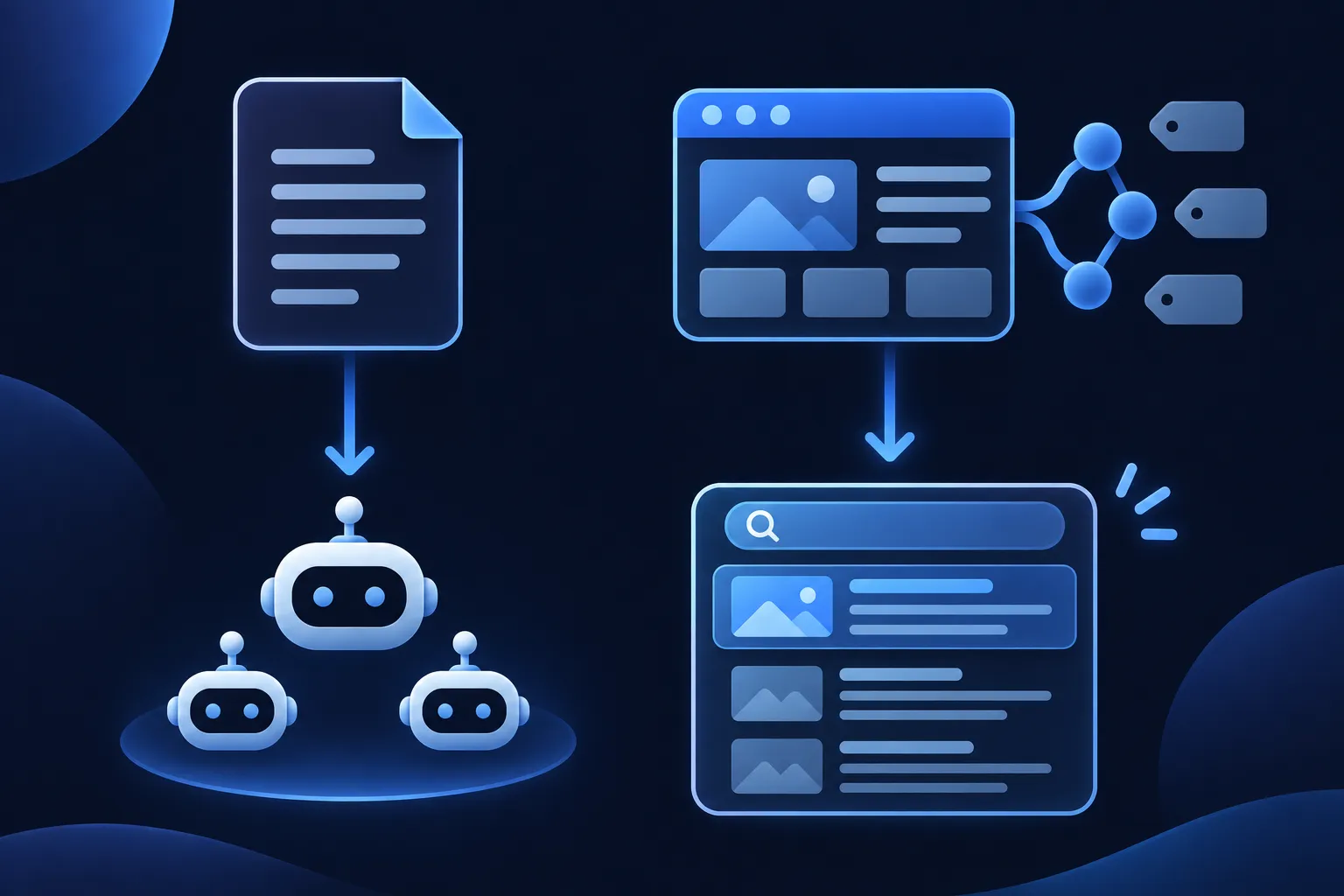
FAQ markup comes up often in the same conversations. FAQPage is still a valid schema.org type. But the same June 15 update removed Google's FAQ rich result documentation because the feature is no longer shown in Google Search results, so it is not a current Google opportunity for ordinary sites. Other consumers may still read the markup, and it should still match the questions and answers visible on the page.
For lasting instructions on what to add, the Schema Nova guide to schema markup for AI search covers what structured data to add first, and how AI systems may interpret schema markup covers what each provider says about reading it. Neither promises citations or traffic.
Three actions for this week
First, write down what the statement covers. Google says Google Search, including its generative AI capabilities, does not use llms.txt. That is an attributed statement from one provider about one product, so it is not a reason to remove the file from everything else.
Second, decide on a documented consumer and a maintenance cost. If a system you care about documents reading the file and you can keep it accurate cheaply, keep it. If you want to create or refresh one, the free llms.txt generator builds the Markdown from your own page list. If nothing reads it and nobody owns it, simplify it or retire it.
Third, keep your schema markup accurate to the visible page. Add the types that describe the page, keep the values in step with what visitors read, and set no expectation of a rich result, a ranking or an AI citation.
Questions people ask
Does Google use llms.txt?
Google says it does not. In its June 15, 2026 documentation update, Google Search Central says llms.txt files are not needed for Google Search and that Google Search ignores them. The statement covers Google Search and its generative AI capabilities, not every Google product.
Should I delete my existing llms.txt file?
Not because of this note alone. Google says it is fine to maintain the file for other services or systems that use it. Keep it if it is accurate, inexpensive to maintain and read by a system that documents using it, and simplify or remove it if it is out of date or exposes anything private.
Does the statement apply to Bing, ChatGPT Search or Perplexity?
No. Google speaks only for Google Search. Each of those providers publishes its own crawler and control documentation, so use robots.txt, metadata and the provider's pages to manage access, and treat any claim about llms.txt as that provider's to make.
Is llms.txt the same as robots.txt?
No. robots.txt gives crawlers instructions about which paths they may request. llms.txt is a proposed Markdown summary with links for AI agents. A file in one place does not substitute for the other.
Is FAQ structured data still a Google Search feature?
Google stopped showing FAQ rich results, and its June 15, 2026 update removed the FAQ rich result documentation. FAQPage remains a valid schema.org type, so it can stay on pages where the questions and answers are visible to visitors, but do not expect a Google FAQ display from it.